
Refrigerator and Freezer Repair in Abu Dhabi
Shozi Home Appliance Repairs arranges residential refrigerator and freezer inspection and repair appointments across selected areas of Abu Dhabi.
Request help for refrigerators or freezers that are too warm, freezing food unexpectedly, leaking water, developing heavy frost, making a new or unusually loud sound, running for excessive periods, cycling repeatedly, showing an error code, or experiencing airflow, fan, sensor, control, defrost, compressor-starting, or sealed-system concerns.
Send the appliance type, brand, model number if safely accessible, affected compartment, control setting, measured temperature if available, exact symptom, frost or water location, unusual sound, error code, location, access details, and preferred appointment time.
Food Protection Guidance
Diagnosis Before Recommendation
Approval Before Work
Residential Appointments
- SERVICE INTRODUCTION
Refrigerator Cooling Diagnosis
Refrigerator and freezer cooling depends on temperature sensing, controls, fans, airflow, door sealing, defrost operation, heat removal, compressor operation, and the sealed refrigeration system working together.
A compressor that appears to run does not confirm that the complete cooling system is healthy. Heavy frost, unusual noise, water leakage, long running time, uneven temperatures, or a warm compartment can each have several possible causes.
The technician may consider the affected compartment, measured temperature, frost pattern, fan operation, door closure, airflow, controls, sensors, defrost components, accessible wiring, compressor-starting behaviour, and sealed-system performance where relevant and within the verified service scope.
Sealed-system work and refrigerant handling require appropriate tools, competence, repair feasibility, and any authorization required by applicable rules. Refrigerant should not be added as a routine top-up without assessing why the system is low.
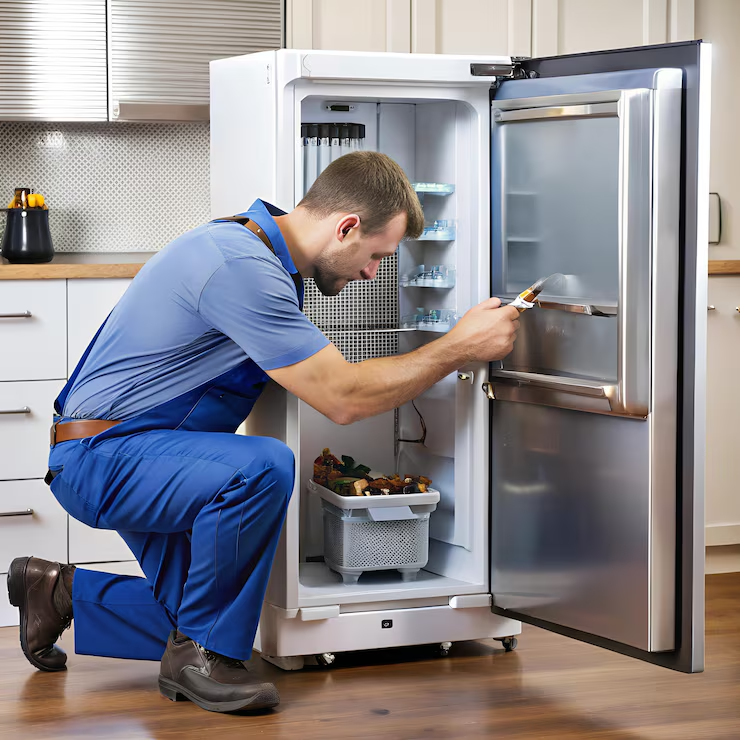
Diagnosis Before Recommendation
The reported cooling, frost, water, noise, control, or airflow symptom is assessed before a repair, component, or sealed-system procedure is recommended.
Appointment Confirmation
Timing depends on the request time, exact location, appliance details, access requirements, suitable technician availability, and the day’s route.
Parts Depend on the Model
Component availability depends on the diagnosed fault, refrigerator model, age, supplier stock, compatibility, and serviceability.
Residential Service Scope
Appointments are arranged for confirmed residential locations and refrigerator or freezer faults within the published service scope.
- COMMON PROBLEMS
Refrigerator and Freezer Symptoms We Investigate
The visible symptom does not always identify the failed component. These examples help describe the booking request but do not replace inspection.
Refrigerator or Freezer Too Warm
Possible causes include an incorrect setting, poor door closure, blocked airflow, heavy loading, fan trouble, defrost faults, sensors, controls, compressor-starting components, installation conditions, or a sealed-system fault.
Food Freezing in the Refrigerator Section
Unexpected freezing may involve restricted airflow, sensor positioning, control settings, damper operation, thermostat or electronic-control faults, or food placed directly in a cold-air path.
Water Inside or Under the Appliance
Water can come from a blocked or frozen defrost drain, condensation, poor door closure, damaged containers, ice-maker or water-line components on equipped models, or water moving from another source.
Heavy Frost or Ice Buildup
Excess frost may involve frequent door opening, poor sealing, humid-air entry, obstructed airflow, a defrost-system fault, sensor or control trouble, or insulation damage.
New or Unusually Loud Noise
Possible sources include a fan contacting ice, loose external items, cabinet vibration, compressor-starting behaviour, water-valve operation, defrost activity, or another moving or electrical component.
Runs Continuously, Cycles Repeatedly, or Will Not Start
Possible causes include room conditions, door sealing, control settings, sensors, relays, overload devices, compressor-starting components, electronic controls, wiring, or a cooling-system fault.
- SAFE USER CHECKS
Safe Checks Before Booking
Perform only ordinary user checks permitted by the manufacturer’s instructions. Do not remove fixed panels, disturb refrigerant components, or continue if an electrical warning is present.
- Confirm that the appliance has power and that the plug, socket area, and visible cable show no obvious damage.
- Check that the temperature control was not accidentally changed.
- Confirm that the refrigerator and freezer doors close fully.
- Check that food packages are not preventing door closure.
- Keep internal vents clear and avoid tightly overpacking the compartments.
- Record the displayed setting and measured temperature if a refrigerator thermometer is available.
- Note whether one compartment or the entire appliance is affected.
- Record where frost, ice, or water appears.
- Check whether the cabinet is stable and touching nearby furniture or loose objects.
- Clean door-seal contact surfaces and other user-accessible areas only as the manufacturer directs.
- Take a clear model-label photo only when it is accessible without moving or dismantling the appliance.
- INSPECTION SCOPE
What a Refrigerator Technician May Check
Inspection depends on the reported symptom, appliance design, accessibility, safe working conditions, and the available service scope. Refrigerant recovery, sealed-system opening, evacuation, leak repair, and charging should occur only when technically appropriate, legally permitted, properly equipped, and approved after diagnosis.
Compartment Temperatures and Controls
The technician may review the affected compartment, displayed setting, measured temperature, control response, error codes, and the timing of the reported symptom.
Door Closure, Seals, and Airflow
Door alignment, sealing surfaces, cabinet loading, internal vents, airflow paths, dampers, and fan operation may be assessed where relevant.
Defrost and Drainage System
Relevant defrost components, frost pattern, drain condition, water path, sensors, heaters, fuses, and controls may be evaluated where accessible and safe.
Electrical and Starting Components
Accessible wiring, relays, overload devices, sensors, fan motors, control boards, and compressor-starting components may be considered according to the symptom.
Compressor and Sealed-System Behaviour
Operating sound, temperature behaviour, heat transfer, compressor response, and other sealed-system indicators may be assessed using appropriate methods where the service is within scope.
Post-Repair Functional Check
After approved work, immediate functions may be checked. Full temperature stabilization can require several hours, so monitoring instructions or follow-up requirements should be explained.
- FOOD AND ELECTRICAL SAFETY
Protect Food and Check the Basics
When the refrigerator is operating normally, follow the manufacturer’s settings and current official food-safety guidance for chilled and frozen storage.
If cooling is failing, keep doors closed, move perishable food to reliable cold storage when needed, and use a refrigerator thermometer if available. Food safety depends on both temperature and time. Do not rely only on smell, appearance, or taste.
Check that the appliance has power, controls were not accidentally changed, doors close fully, and internal vents are not blocked. Avoid overpacking because cold air needs space to circulate.
Clean only user-accessible areas described in the manufacturer’s instructions. Do not puncture ice, use sharp tools, apply uncontrolled heat, remove fixed panels, or attempt refrigerant work.
- LOCATIONS
Refrigerator and Freezer Service Areas
Residential refrigerator and freezer appointments are arranged across selected areas of Abu Dhabi, subject to the exact location, appliance type, service scope, access requirements, suitable technician availability, and the day’s route.
Mention whether the refrigerator is freestanding or built in, whether it has an ice maker or water connection, whether access is restricted, and whether food is currently at risk.
- REPAIR OR REPLACE
Repair or Replace the Refrigerator?
Repair may be worth considering when the cabinet, doors, insulation, and main structure remain in reasonable condition; the appliance suits the household; the fault is contained; and suitable components are available.
Replacement may be more practical when there is serious cabinet corrosion, damaged insulation, repeated major sealed-system failure, multiple worn systems, unavailable components, poor door or cabinet condition, or a repair cost that is high compared with the appliance’s age and expected reliability.
Food-loss risk, energy use, appliance size, installation fit, previous repairs, component availability, and whether specialist sealed-system work is required may also affect the decision.
The inspection findings, proposed work, expected cost, parts situation, stabilization requirements, and any limits of the service should be explained before the customer decides.
- WHY CHOOSE SHOZI
A Clear Process Before Refrigerator Work Begins
Clear information and approval support an informed appliance-repair decision.
Safety Information Collected First
The booking request asks about gas smell, smoke, sparking, tripping, shock risk, and uncontrolled heating before routine scheduling.
Inspection Before Recommendation
The reported appliance symptom is assessed before a repair or component is recommended.
Approval Before Work
The likely appliance fault, proposed work, expected cost, parts situation, and any service-scope limitation are explained before approved work begins.
Residential Appointment Service
Visits are arranged for confirmed residential locations and requests that fall within the published service scope.
- OUR PROCESS
How Refrigerator and Freezer Appointments Work
One clear four-step process takes the request from booking to approved work and a conditional functional check.
1. Send the Appliance Details
Share the appliance type, brand, model, installation style, affected compartment, setting, measured temperature if known, frost or water location, unusual sound, error code, electrical warnings, location, and preferred appointment time.
2. Confirm Scope and Timing
The request is reviewed against the published service scope, exact location, appliance information, access requirements, suitable technician availability, and route.
3. Inspect and Explain the Findings
The technician assesses the reported symptom where safe and explains the likely cause, proposed work, expected cost, parts situation, sealed-system considerations, and any work outside the available service scope.
4. Complete and Check Approved Work
After approval, the agreed work is completed and immediate functions are checked. Because full cooling stabilization may take several hours, any monitoring or follow-up instructions are explained.
- BOOK A REPAIR VISIT
Request Refrigerator or Freezer Repair in Abu Dhabi
Call or WhatsApp +971 50 581 8026 between 9:00 AM and 8:00 PM UAE time.
Send your area, exact location, appliance type, brand, model number if safely accessible, affected compartment, control setting, measured temperature if available, frost or water location, unusual sound, error code, electrical warning signs, access details, and preferred appointment time.
Keep doors closed and protect perishable food while cooling is failing. Stop using the appliance if there is smoke, sparking, electric shock, a burning smell, damaged wiring, or water contacting electrical parts.
- FAQ
Frequently Asked Questions About Refrigerator Repair
Use the answers below and see the detailed guides for a fridge not cooling, refrigerator leaking water, unusual refrigerator noise, and a freezer that is cold while the refrigerator section is warm.
Why is my refrigerator not cooling?
First confirm the control setting, power, door closure, and that internal vents are not blocked. Keep door opening to a minimum and protect perishable food. Fan, sensor, defrost, airflow, control, compressor-starting, or sealed-system faults can produce similar symptoms, so persistent warming needs assessment.
Why is the freezer cold but the refrigerator section warm?
Possible causes include blocked airflow, a fan problem, frost restricting an air passage, damper trouble, a defrost fault, sensor or control issues, or compartment loading. Record whether the freezer temperature is normal and where frost is visible.
Why is my refrigerator leaking water?
Water may come from a blocked or frozen defrost drain, condensation caused by poor door closure, a damaged container, or a water line on equipped models. Stop use and isolate power safely if water is contacting electrical parts.
Which refrigerator noises need attention?
Some hums, clicks, airflow sounds, and expansion noises are normal. A new loud rattle, scraping fan sound, repeated start clicking, or continuous abnormal noise deserves attention. Check that the cabinet is stable and not touching loose objects, but do not open fixed covers.
Why is frost building up?
Heavy frost can result from warm humid air entering through an open or poorly sealing door, blocked airflow, a defrost-system fault, sensor or control trouble, or damaged insulation. Do not chip ice with a sharp tool or apply uncontrolled heat.
Does a warm refrigerator always need a gas refill?
No. Poor cooling can result from door sealing, airflow, fan, defrost, sensor, control, compressor-starting, installation, or sealed-system faults. Refrigerant should not be added as a routine top-up without assessing why the system is low and whether a sealed-system repair is appropriate.
How much does refrigerator repair cost?
Pricing depends on the cause, model, accessibility, labour, components, testing, and whether specialist sealed-system work is required. The proposed work and expected cost should be explained before approved repair begins.
Is same-day refrigerator attendance available?
Same-day attendance may be possible when the request time, exact location, appliance information, suitable technician availability, access requirements, and route align. Attendance and completion are separate because some faults require components, specialist work, or extended monitoring.
What should I do with food when the refrigerator is warm?
Keep doors closed, move perishable food to reliable cold storage when needed, and use a refrigerator thermometer if available. Food safety depends on temperature and time, not smell or appearance alone. Follow current official food-safety guidance when safe storage conditions are uncertain.
Should I repair or replace my refrigerator?
Repair may be reasonable when the appliance is generally sound and the fault is contained. Replacement may be more practical with serious corrosion, damaged insulation, repeated major failure, poor cabinet condition, unavailable components, or repair cost disproportionate to age and expected reliability.
- OTHER REPAIR SERVICES
Other Appliance Repair Services
Choose another appliance category for service-specific guidance. Visit home appliance repair services for the full residential booking overview.
Washing Machine Repair
Help with washers that will not start, fill, drain, spin, unlock, or complete a cycle, as well as leaks, shaking, noise, and error codes.
Dishwasher Repair
Help with standing water, poor cleaning, leaks, no-start faults, incomplete programs, unusual noise, and recurring error codes.
Stove and Cooktop Repair
Help with gas ignition, continuous clicking, weak flame, electric heating, control, tripping, and cooking-zone faults.