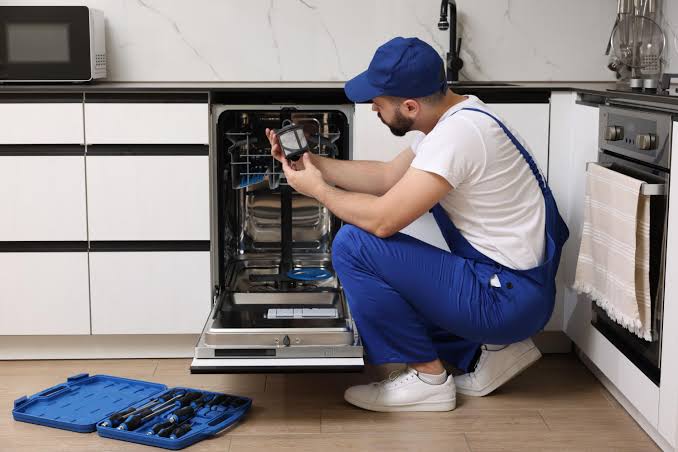
Should You Repair or Replace a Home Appliance?
A sound repair decision combines diagnosis, cost, condition, safety, parts, efficiency, and the disruption of future failure. A simple age rule is rarely enough.

A sound repair decision combines diagnosis, cost, condition, safety, parts, efficiency, and the disruption of future failure. A simple age rule is rarely enough.
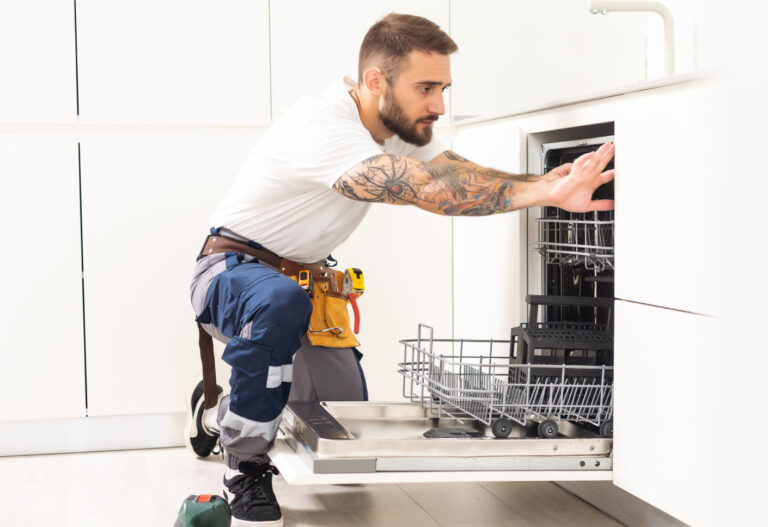
A new rattle, grind, buzz, knock, or high-pitched sound is easier to diagnose when you know whether it occurs during filling, washing, or draining.
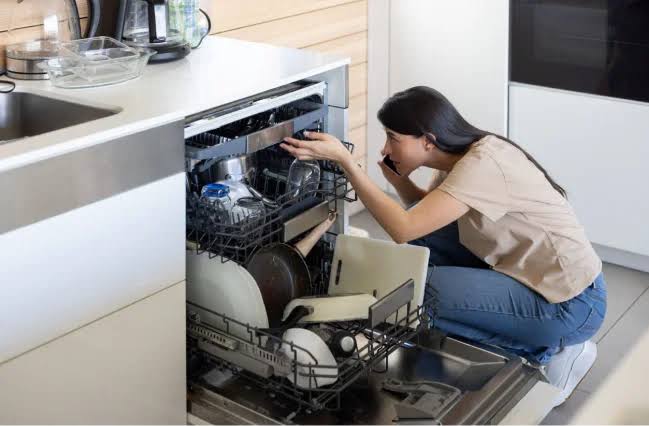
A no-start condition can be a control selection, door, water, power, leak-protection, wiring, or electronic problem. The display and any sound after Start are useful evidence.

Poor cleaning is often influenced by loading and maintenance, but weak filling, circulation, heating, sensors, or controls may be involved when basic corrections do not help.
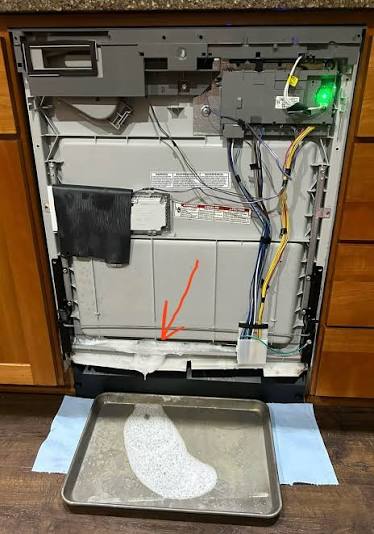
Leak timing and location help distinguish door, hose, pump, spray, foam, and tub problems. Continued use can damage cabinetry, flooring, or electrical parts.
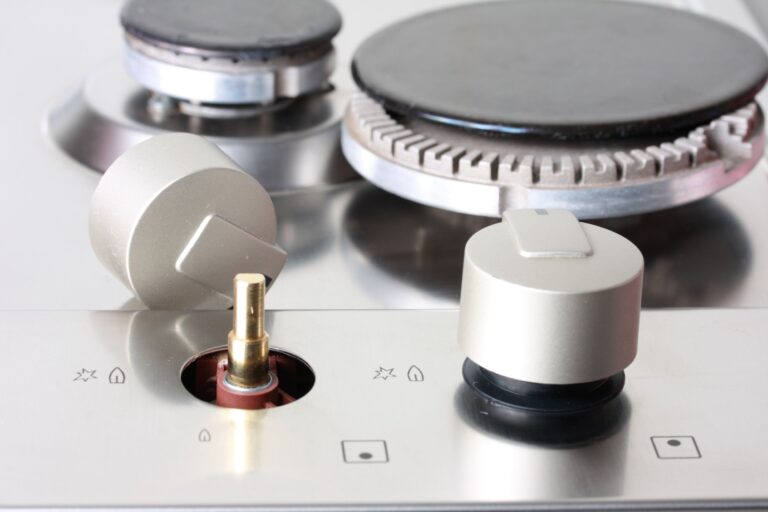
Clicking is normal during an ignition attempt, but continuous clicking after the control is released can result from moisture, assembly, switch, module, wiring, or control problems.
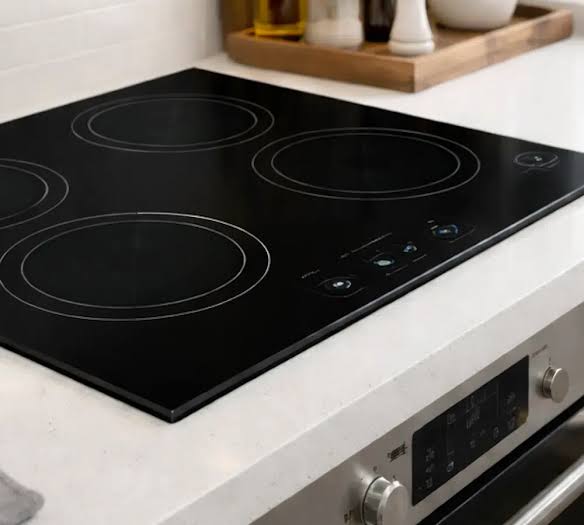
A single cold zone and an entire appliance with no heat point toward different causes. Power, cookware compatibility, elements, regulators, sensors, wiring, and controls all need to be distinguished.

A persistent or strong gas smell is an emergency warning, not an ordinary performance problem. Avoid actions that could create a spark and use the appropriate property or emergency gas procedure from a safe location.
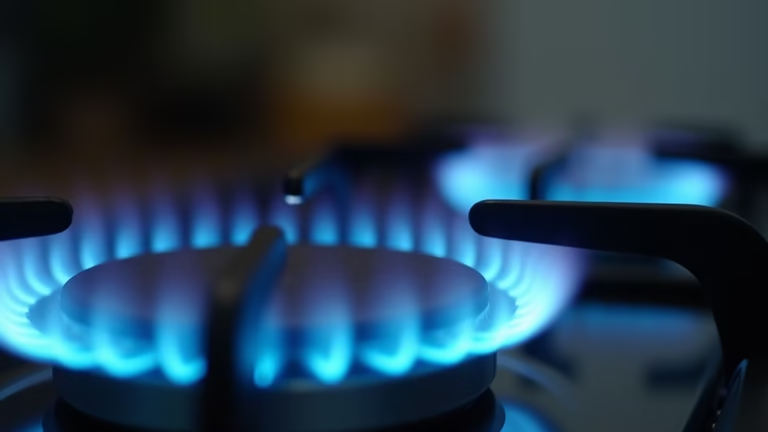
A weak or uneven flame may reflect removable burner condition, but supply, pressure, valve, or prior-adjustment issues must not be handled as a casual do-it-yourself repair.
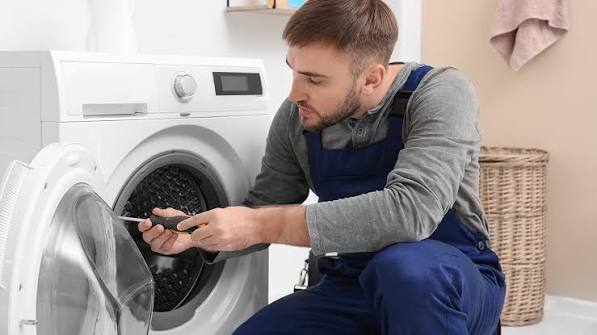
Repair-versus-replacement decisions should compare the diagnosed fault with the washer’s structural condition, history, capacity, efficiency, and likely remaining service life.
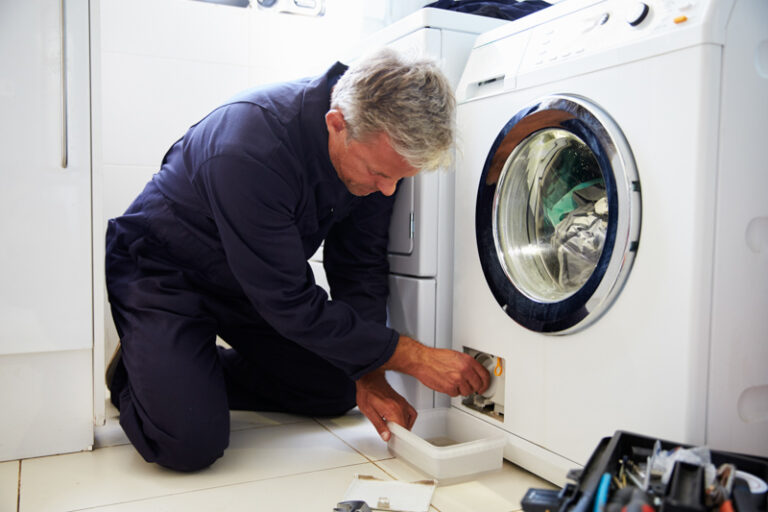
A washer door may remain locked because the machine still detects water, the cycle has not released the safety lock, or the latch, drainage, wiring, or control system has failed.
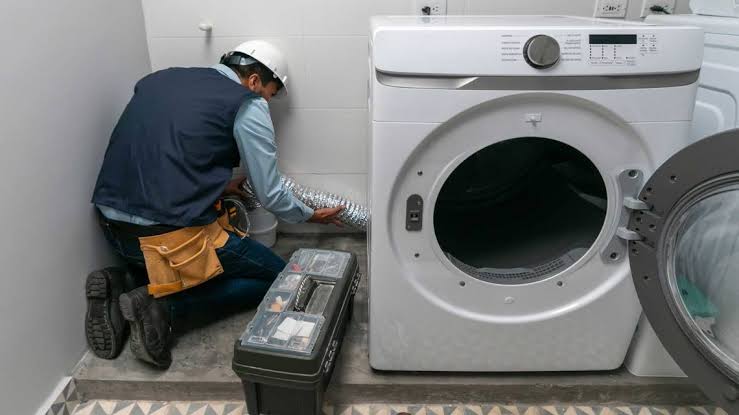
The point at which the washer stops matters. A failure during filling, heating, draining, or spinning directs diagnosis toward different systems.