
Why Is My Washing Machine Shaking or Moving?
Movement during high-speed spin is affected by loading and installation, but repeated violent shaking, scraping, or roaring can indicate worn suspension, bearings, or structural parts.

Movement during high-speed spin is affected by loading and installation, but repeated violent shaking, scraping, or roaring can indicate worn suspension, bearings, or structural parts.

Leak location and cycle timing help separate an inlet, dispenser, door, tub, pump, or drainage problem. Running more cycles can turn a small leak into property or electrical damage.
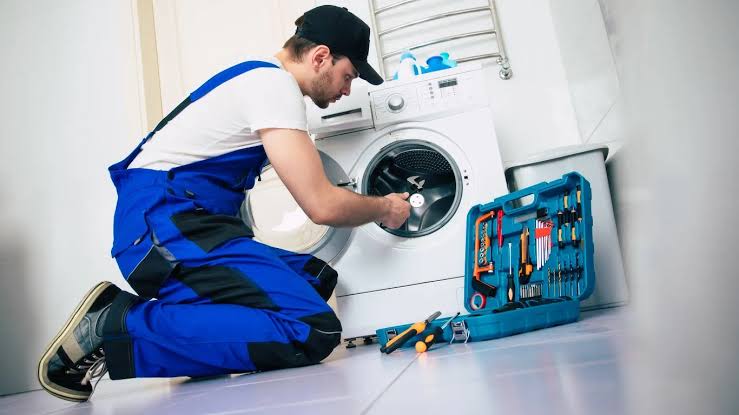
A washer often refuses to spin when another condition has not been satisfied, especially drainage, balance, or door-lock confirmation.

The right decision depends on the diagnosed fault and the refrigerator’s overall condition, not age alone. A contained repair can be sensible on an older sound unit, while repeated major faults may make replacement better value.

Some humming, clicking, airflow, and expansion sounds are normal. A new, persistent, scraping, rattling, grinding, or repeated start-click sound is more useful to diagnose when its location and timing are recorded.
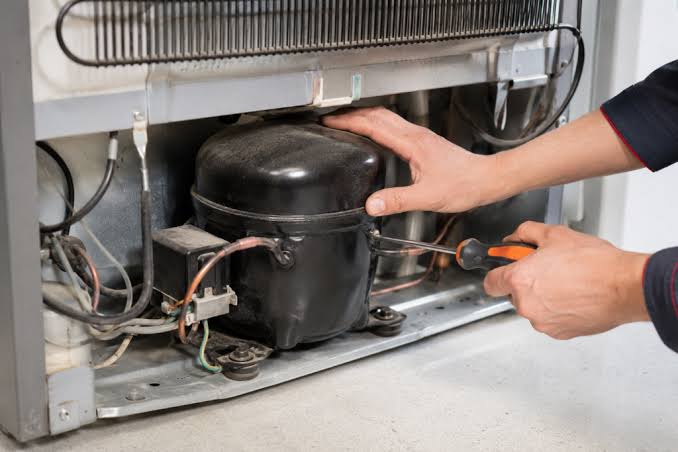
Clicking, poor cooling, long running, or failure to start can involve the compressor, but controls, fans, airflow, starting components, and the sealed system can create similar evidence.
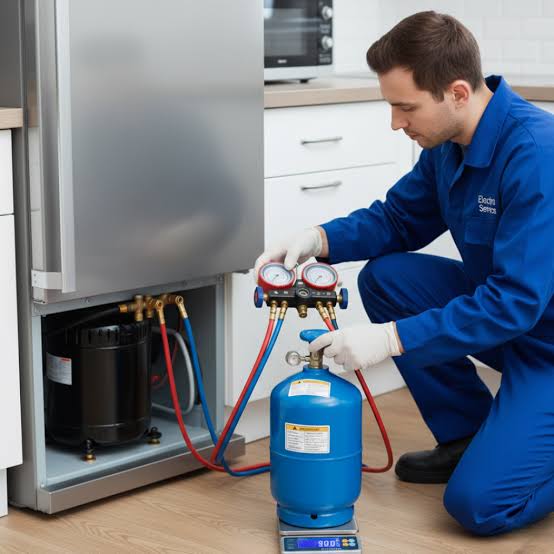
Refrigerant is not a consumable that should be topped up as routine maintenance. A low charge normally indicates leakage or previous incorrect service, while many non-cooling faults have no connection with refrigerant quantity.
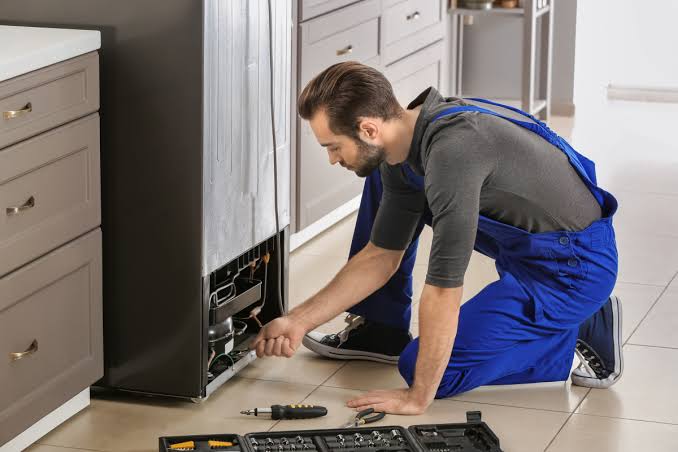
The position and timing of the water provide important clues, from condensation and defrost drainage to a supply-line or internal connection problem.

When the freezer still feels cold but the refrigerator section warms, the fault often concerns movement or control of cold air rather than a total loss of cooling.

No-ignition faults require a safety-first approach. Accessible burner placement or moisture may be simple, but ignition, supply, valve, and control faults need competent inspection.

Standing water can follow a restricted filter or hose, but the pump, sensing, plumbing connection, wiring, and controls may also be responsible.

Standing water may begin with a simple restriction, but pump, sensing, wiring, or control faults can produce the same no-drain result.